
Executive Summary
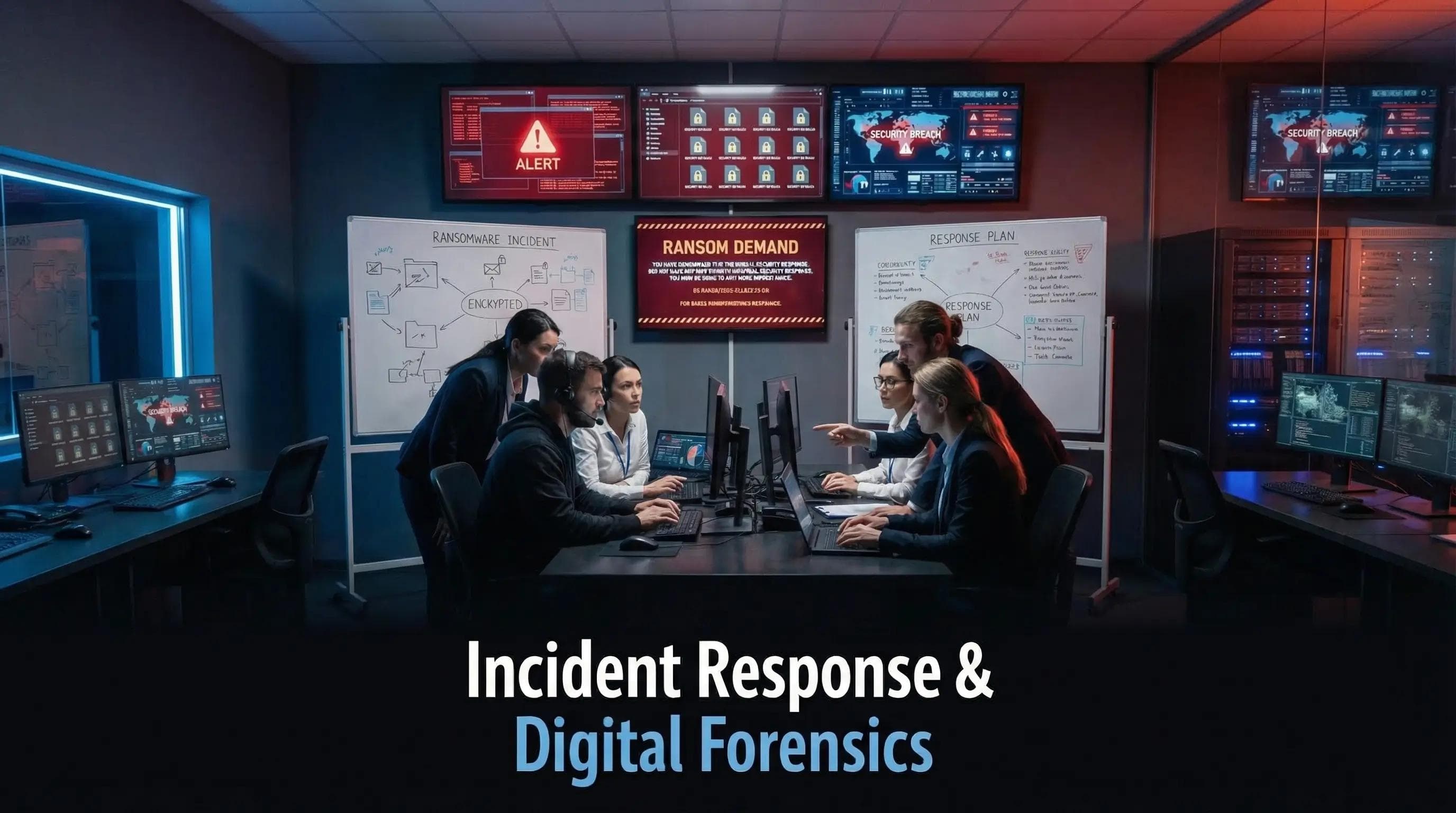
A cyberattack is no longer a question of "if," but "when." When a ransomware syndicate breaches your network or a critical supplier is compromised, executive leadership has minutes—not days—to make critical operational and legal decisions.
Without a documented, tested Incident Response Playbook (IRP), the default response is panic, leading to prolonged downtime, excessive regulatory fines, and irreparable reputational damage. This guide details how to construct specific response playbooks required by frameworks like NIS2 and ISO 27001.
The Business Problem: The Cost of Chaos
During a ransomware event, adrenaline runs high. If your IT team lacks a predetermined plan, critical mistakes occur:
- They might reboot compromised servers, destroying the volatile memory (RAM) evidence required by forensic investigators.
- They might fail to isolate infected network segments, allowing the encryption to spread to backups.
- Management might fail to notify regulators (like the ICO for GDPR or national CSIRTs for NIS2) within the mandatory 24-48 hour window, triggering massive non-compliance fines.
The Framework: Structuring an Incident Response Playbook
An Incident Response Playbook is a specific, actionable document detailing exactly what steps to take during a specific type of attack (e.g., Ransomware, Business Email Compromise, or a DDoS attack).
The Six Phases of Incident Response (SANS/NIST)
Effective playbooks follow a structured lifecycle:
Our TISAX® and ISO 27001 experts help European automotive suppliers achieve compliance within 95 days.
- Preparation: This is the playbook itself. Establishing out-of-band communication channels, retainer contracts with digital forensics firms, and defining roles.
- Identification: How does the SOC (Security Operations Center) confirm an anomaly is an actual breach? Who has the authority to declare a "Major Incident?"
- Containment: The immediate technical steps to stop the bleeding. Do we sever the internet connection? Do we power down the hypervisors? The vCISO must have pre-authorization from the Board to make costly containment decisions.
- Eradication: Removing the threat actor from the environment securely.
- Recovery: Restoring operations from clean, air-gapped backups.
- Lessons Learned: The post-mortem review required by ISO 27001 to update policies and prevent a recurrence.
Practical Implementation: Building Your First Playbook
Do not attempt to write a massive, 100-page generic "Cyber Policy." Start specific.
Step 1: Draft the Ransomware Playbook
Given current threat intelligence, ransomware is the most likely existential threat. Document the exact command to isolate your core switches. List the personal phone numbers of your legal counsel and PR team.
Step 2: Establish the "War Room"
If your corporate network is encrypted, you cannot use Microsoft Teams or corporate email to communicate. Establish an out-of-band communication platform (like Signal or a separate Slack workspace) exclusively for incident response.
Step 3: The Tabletop Exercise
A playbook that sits on a shelf is useless. At least annually, you must execute a "Tabletop Exercise." Gather the C-Suite, IT leadership, and Legal in a room and walk through a simulated, hour-by-hour cyberattack scenario. This pressure tests the playbook and exposes critical communication gaps before a real crisis occurs.
Expert Insights: The Legal Obligation
Under the expanding regulatory umbrella of NIS2 and DORA, having a documented incident response capability is a strict legal requirement. Executive boards that fail to prepare playbooks face direct personal liability for the resulting operational disruption.
Prepare before the panic. Contact ITIS-Secure to draft, refine, and simulate Incident Response Playbooks tailored to your specific infrastructure and regulatory obligations.

About Iulian Bozdoghina
Lead Auditor and Consultant
"Iulian Bozdoghina is a veteran cybersecurity strategist with over 15 years of experience in securing automotive supply chains and critical infrastructure. He specializes in TISAX®, ISO 27001, and the emerging NIS2/DORA regulatory landscape."